
What Causes Infertility For Women
Infertility for women is often treatable, once the root cause has been identified. Listed below are a couple of said causes:
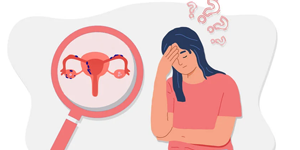
- Ovulation Disorders: This happens to be the most common cause of infertility in women. As explained on the previous page, ovulation is the release of an egg from the ovaries. Often, in the case of infertility, eggs are never released, or are released infrequently. There are many problems that can lead to ovulation disorders, such as the misregulation of hormones in the body, or specific problems in the ovaries. Other causes can be thyroid problems or chronic conditions. The more common examples, however, are:
PCOS: PCOS, or Polycystic Ovary Syndrome can cause imbalances in reproductive hormones. PCOS has unrecognizable symptoms, such as obesity, abnormal hair growth and acne. These means that it can go undetected for long periods of time.
PREMATURE OVARIAN FAILURE: Also known as premature menopause, is when the ovaries stop working before the age of 40 years. This is often caused by an autoimmune response, or by premature loss of eggs for ovaries, due to causes like exposure to radiation, or genetics.
HYPERPROLACTEINEMIA: This is due to high prolactine levels, even though the woman is not pregnant or breastfeeding. This can be due to the pituitary gland producing too much prolactin, which in turn reduces estrogen production. This can be due to medication intake to treat another disease.
HYPOTHALMIC DYSFUNCTION: The pituitary gland is responsible for producing two hormones, which both aid in simulating ovulation. One is Follicle-Stimulating Hormone, or FSH, and the second is luteinizing hormone, or LH. External factors like extreme BMIs, physical or emotional stress, weight gain or weight loss can all create jolts in hormone production and affect ovulation. A tell a tale sign of this can be irregular periods. - Tubal Blockage: Damaged fallopian tubes, from endometriosis or STIs can keep the sperm from reaching the egg, or block the fertilized egg from getting implanted into the uterus wall. Other reasons of tubal blockage can be from scarring from pelvic tuberculosis, or from previous surgery in the abdomen or pelvis.
- Uterine Fibroids or Polyps: Benign uterine fibroids are common in the uterus. These often tend to block fallopian tubes, or might interfere with implantations. However, it should be noted that women with uterine fibroids to end up pregnant.
- Poor Ovarian Reserve: This is due to when the ovaries have a lower existing reserve of eggs, which reduces the chances of fertilization. This could be caused by genetics, environmental factors, exposure to chemicals and radiations, smoking etc.
- Genetic Factors: Uterine abnormalities that have been present from birth, due to genes passed down from a woman’s mother, can often affect fertility. Other genetic factors that could affect the uterus include cervical stenosis, which causes the narrowing of the cervix. A similar problem might be a situation wherein the cervix is unable to produce enough mucus to sustain sperm to pass into the uterus. As previously mentioned, poor ovarian reserve can also be used to this.
- Endometriosis: Endometriosis occurs when endometrial tissue grows outside the uterus. This tends to affect the function of the ovaries, uterus and fallopian tubes. Endometriosis disrupts the implant The surgical removal of this can cause scarring, which can also block fallopian tubes.
Unexplained: Sometimes, the cause(s) of infertility is never found, as there is a chance that infertility may be due to a combination of several insignificant factors from both partners. However, sometimes, with persistent treatment, and a careful lifestyle, the problem may correct itself.