
IVF (In Vitro Fertilization) Treatment
IVF tends to be a last resort of sorts, due to its high success rate, but expensive nature.
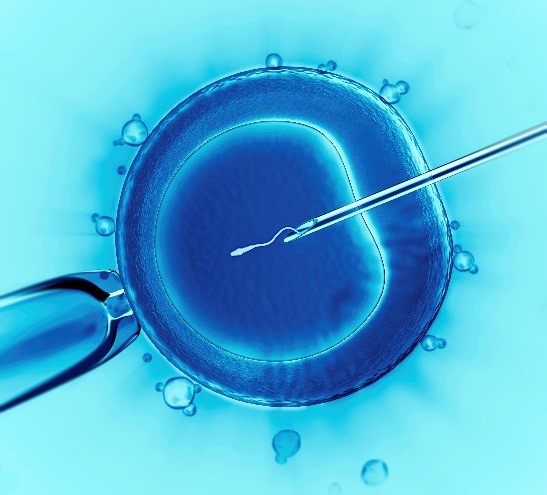
First, the female partner takes medications that make several of her eggs mature and ready for fertilization. A doctor then proceeds to take them out of the uterus, and to a lab.
The sperm is taken from her male partner, and they are combined in the lab. Doctors then proceed to place the formed embryos in the woman’s uterus. IVF is a procedure with multiple steps, and may take months to complete the whole procedure.
IVF With Donor Egg
If the female has poor egg quality or hasn’t had success with previous cycles of IVF, using a donor egg is often recommended.
During this process, the male partner’s sperm is combined with eggs that were donated by another woman. It should be taken into consideration that the child would not be biologically related to the female partner.
Assisted Hatching
Assisted hatching involves an embryologist opening a tiny hole in the outer membrane of the embryo. This opening helps increase the chances of the embryo implanting into the uterine wall.
This is often used in cases where IVF has not been effective, or if there is a history of embryos with poor growth rate.
Donor Embryos
Donor embryos should only be considered an option for couples who have no issues raising a child who is not biologically related to them. The use of donor embryos tends to be cheaper than IVF, so may be more financially feasible.
Embryos are taken from couples who have left over embryos after IVF, or couples who donate their embryos. The embryo is then implanted into the uterus of the female partner.
Surrogacy
Surrogacy is an option for those who have inhospitable uteruses, or would prefer not to go through pregnancy. Doctors use IVF to make an embryo with the female partner’s eggs and the male partner’s sperm.
The embryo is then implanted into the surrogate, who goes through pregnancy. The baby would biologically be related to both partners.